 AUS
AUS
 US
US



CfD AR7 results and what’s next for developers and investors
The full Allocation Round 7 results are now out and following our deep dive during the latest CfD webinar in collaboration with Cornwall Insight, James Clark, Business Development Manager and webinar host, breaks down the key signals emerging from AR7 and what to expect as we move towards AR8.
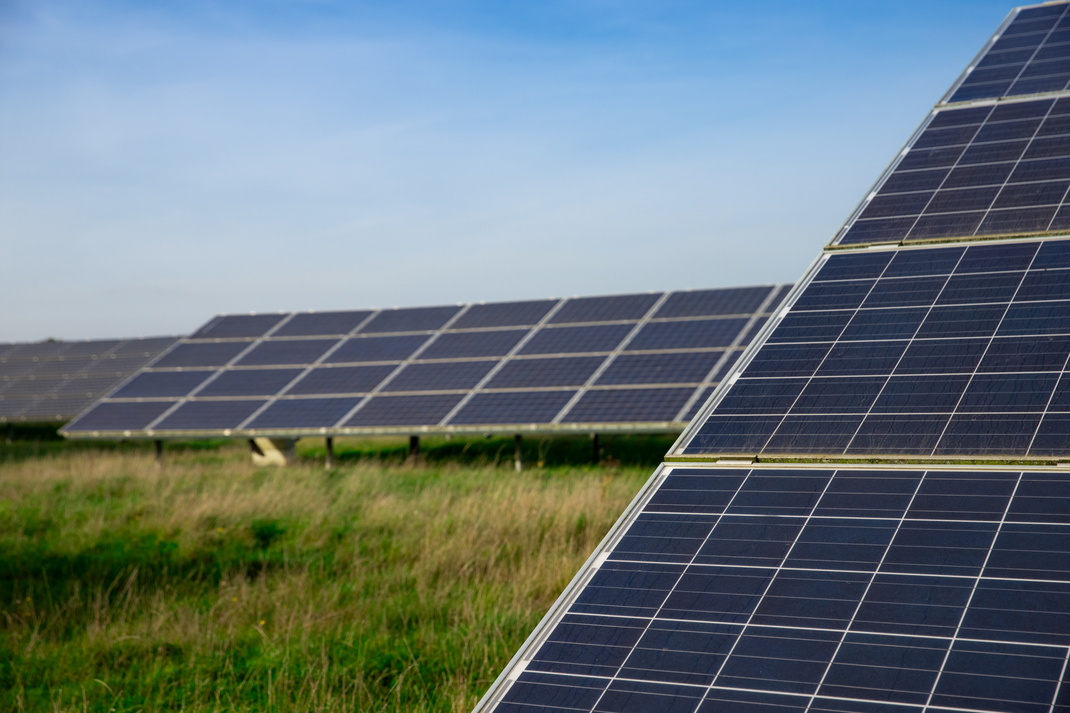
From record‑setting capacities to competitive strike prices, the CfD Allocation Round 7 results mark the scheme’s most successful auction round to date. The scale and diversity of projects awarded have strengthened the UK’s future renewables pipeline, boosted investor confidence, and helped build momentum as the sector moves closer to clean power 2030.
With the full results now published, this blog breaks down the outcomes across all technologies, highlights the key trends shaping developer and investor behaviour.
AR7 results overview
AR7 marks a new milestone, securing over 14.7GW of clean energy capacity across 201 projects. The results demonstrate strong market appetite across all technologies and a maturing pipeline that is increasingly aligned with 2030 delivery milestones.
|
Pot |
Technology |
Capacity |
Strike price (in 2024 prices) |
|
1 |
Solar PV |
4.9GW |
£65.23/MWh |
|
1 |
Onshore wind |
1.3GW |
£72.24/MWh |
|
2 |
Tidal stream |
0.02GW (20.90MW) |
£265.00/MWh |
|
3 |
Fixed bottom offshore wind |
8.2GW |
£91.20/MWh |
|
4 |
Floating offshore wind |
0.19GW |
£216.49/MWh |
Pot 1: Established technologies
In Pot 1, all awarded capacity went to onshore wind and solar PV, the UK’s lowest‑cost and most rapidly deployable clean power sources.
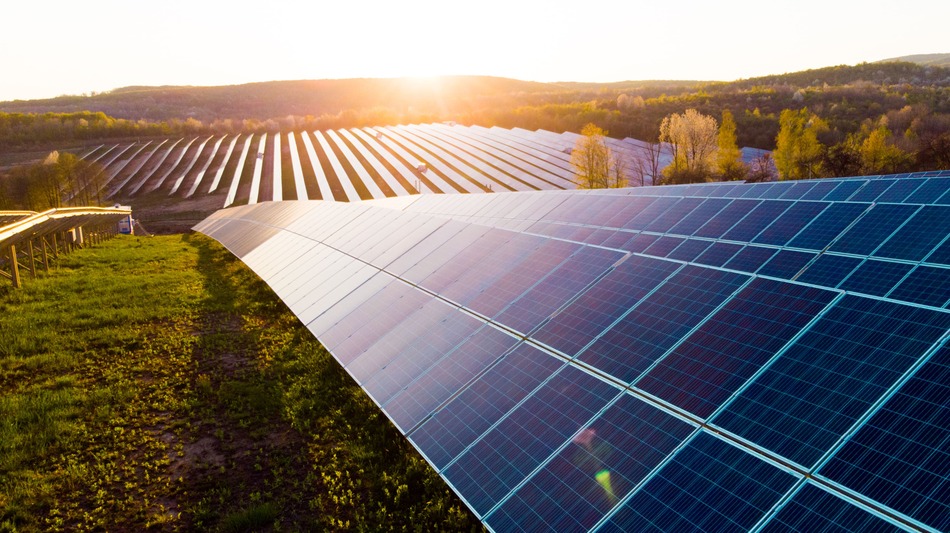
Solar PV dominated the round with 4.9GW across 157 projects, led by distribution-connected projects in England. With a strike price of £65.23/MWh, 6.5% down from AR6, solar continues to deliver competitively priced, quick‑to‑build capacity.
Onshore wind secured 1.3GW across 28 projects, the majority in Scotland, with a balanced split between transmission and distribution connected sites. The strike price of £72.24/MWh, up by 2% from AR6, reflects ongoing inflationary pressures, but remained broadly aligned with expectations.
Across both technologies, all delivery years fall into 2027/28 or 2028/29, contributing meaningfully to 2030 capacity targets.
Pot 2: Emerging technologies
Pot 2 saw 20.9MW of tidal stream awarded, continuing government support for early‑stage technologies and consolidating the UK’s position as a global leader in tidal generation. With this round, total CfD‑backed tidal stream capacity now exceeds 140MW of predictable, zero‑carbon generation.
While tidal stream was the only successful technology in Pot 2, floating offshore wind secured contracts through its own dedicated pot (Pot 4), reinforcing the UK’s position in next‑generation offshore innovation.
Pots 3 & 4: Offshore wind technologies
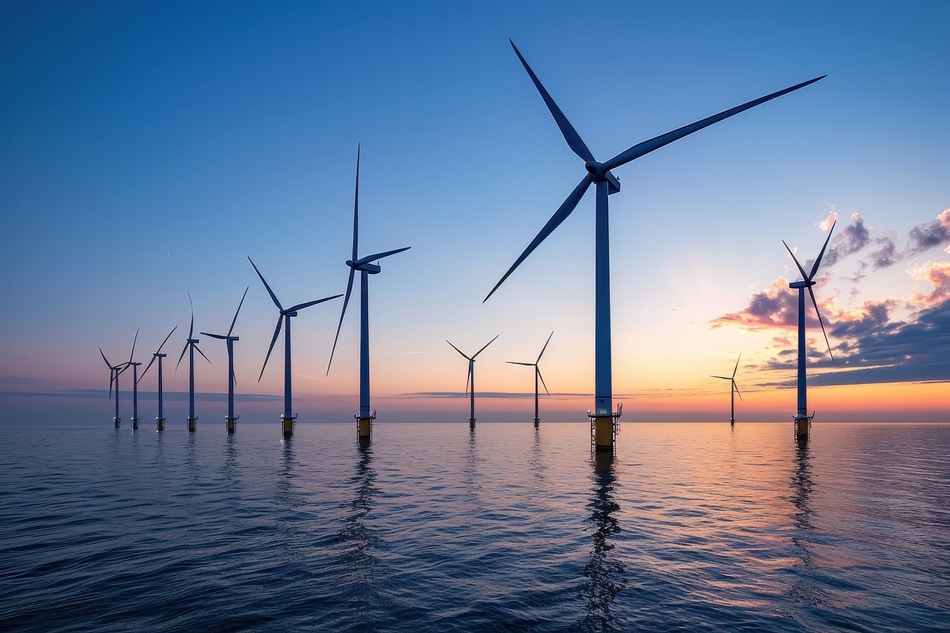
Offshore wind was a standout success, securing 8.4GW across 12 projects, the largest offshore wind procurement in UK and European history. This included 10 fixed bottom offshore wind farms (including one in Scotland), and two floating wind projects.
Strike prices cleared competitively at £91.20/MWh (England & Wales) and £89.49/MWh (Scotland), with floating offshore wind projects clearing at £216.49/MWh, all an increase on previous years.
The majority of awarded offshore capacity is expected online in 2030/31, reflecting the long lead times and supply chain complexity associated with offshore wind development.
Key trends and takeaways
What’s next for developers and investors
CfD PPAs
With AR7 results confirmed, successful projects will now turn their focus to FID, financing, and delivery planning. A reliable route to market is a crucial next step, and CfD‑aligned PPAs remain one of the most bankable options. SmartestEnergy supports developers by offering long‑term PPAs designed to align with the terms of their CfD commitment. Our CfD PPAs provide index‑linked pricing, long‑term certainty, and a flexible structure that supports projects from pre‑construction right through to full operation, providing the revenue stability and bankability.
Alternative routes
For projects that did not secure a CfD, alternative routes remain available. Some developers may choose to wait for AR8, but significant opportunity remains. Merchant or framework PPAs provide shorter term stability with ongoing price-setting opportunities within a simple framework, or Corporate PPAs provide long‑term contracted revenue similar to CfD structures, sleeving volume with a large corporate. These routes continue to be well‑established paths for both new and existing generators.
From AR7 success to AR8 expectations
AR7 represents a major step forward for the UK renewables sector. While delivery risks and capacity gaps remain, the round reflects a market that is resilient, ambitious and increasingly diversified. Continued momentum, through stable policy, robust routes to market and supply chain readiness, will be essential as projects move from award to delivery.
In our next blog, Will Russell will take a closer look ahead to Allocation Round 8, drawing insights from our recent webinar and exploring the reforms under consideration, as well as what developers and investors should be preparing for next.

Watch the CfD webinar on-demand
Join Lucy Dolton, Renewable Generation Lead at Cornwall Insight, and James Clark and Will Russell, Business Development Managers at SmartestEnergy, as they explore how the CfD scheme has evolved, highlight key AR7 results and trends, and discuss what these outcomes mean for renewable generators, investors and the future CfD pipeline.